MongoDB Indexing & Search
MongoDB Indexing & Search
Without indexes, MongoDB performs a collection scan, which is slow for big data.
What is Indexing in MongoDB?
Index = special data structure
Improves query performance
Similar to index in a book
Stored separately from documents
Trade-off: Faster reads, slightly slower writes
1️⃣ Create an Index
Syntax
Example: Index on name
Output:
2️⃣ Types of Indexes in MongoDB
Single Field Index
Compound Index (Multiple Fields)
Order matters in compound indexes.
Unique Index
Prevents duplicate values.
Text Index (Search)
Used for full-text search.
Hashed Index
Used in sharding.
3️⃣ View Indexes
4️⃣ Drop an Index
Or drop all:
5️⃣ Search Using Indexes
Normal Search
Uses index if available.
Range Search
6️⃣ Text Search (Full-Text Search)
Create Text Index (Once)
Search Text
Sort by Relevance
7️⃣ Explain Query (Check Index Usage)
Look for:
IXSCAN→ index usedCOLLSCAN→ full collection scan
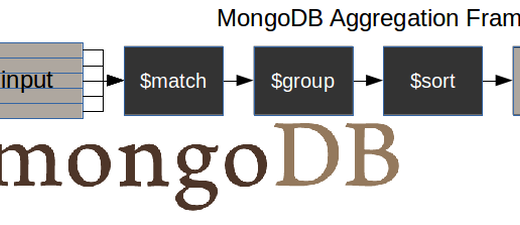
8️⃣ Indexing with Aggregation
Index on
courseimproves$matchperformance.
SQL vs MongoDB Indexing
| SQL | MongoDB |
|---|---|
| CREATE INDEX | createIndex() |
| FULL TEXT SEARCH | Text Index |
| EXPLAIN PLAN | explain() |
Best Practices
Index frequently queried fields
Use compound indexes wisely
Avoid too many indexes
Always check with
explain()Place
$matchearly in aggregation
Common Mistakes
Creating unnecessary indexes
Wrong field order in compound index
Expecting text index to behave like Google search