R Factors
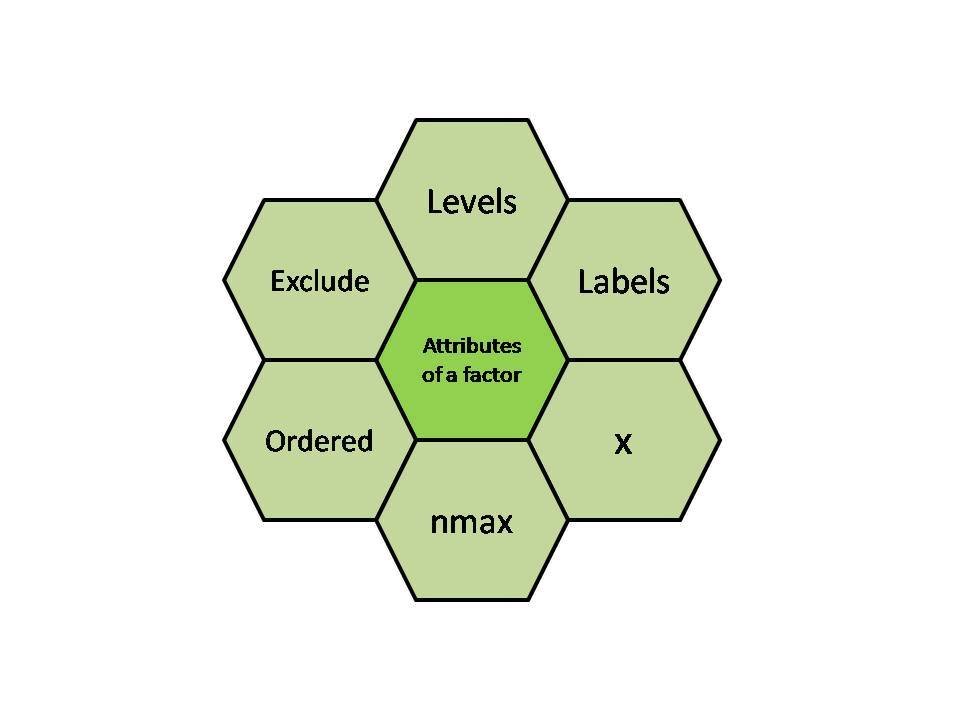
🏷️ R Factors
They are very important in data analysis, statistics, and modeling.
1. What is a Factor?
-
A special data type for categorical variables
-
Stores data as levels
-
More memory-efficient than character vectors
-
Widely used in statistical models
2. Creating a Factor
3. Levels of a Factor
Output:
📌 Levels are sorted alphabetically by default
4. Number of Levels
5. Change Factor Levels
6. Ordered Factors
Used when categories have a natural order.
7. Compare Ordered Factors
✔ Works only with ordered factors
8. Convert Factor to Character / Numeric
⚠️ Direct as.numeric(factor) can give wrong results
9. Factors in Data Frames
10. Drop Unused Levels
Factors vs Characters
| Feature | Factor | Character |
|---|---|---|
| Purpose | Categorical data | Text |
| Levels | Yes | No |
| Memory | Efficient | Less efficient |
| Modeling | Preferred | Not ideal |
When to Use Factors?
✔ Categorical variables (gender, grade, status)
✔ Statistical models
✔ Grouping & summarization
📌 Summary
-
Factors represent categorical data
-
Stored as levels
-
Ordered factors support comparison
-
Essential for statistical analysis