Sass Introduction
Sass Introduction
Sass Introduction (Syntactically Awesome Style Sheets) is a powerful CSS preprocessor that helps you write cleaner, more maintainable, and more scalable stylesheets. It extends regular CSS with additional features like variables, nesting, functions, mixins, and more—making large CSS projects easier to manage.
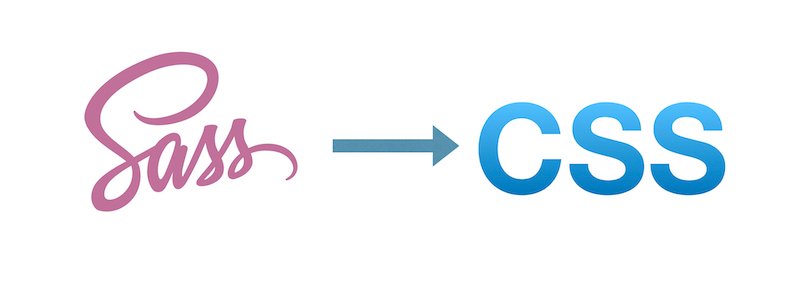
Sass files are written using special syntax and then compiled into standard CSS, which browsers can understand.
Why Use Sass?
Sass solves many common problems faced while writing plain CSS:
Reduces code repetition
Makes styles more readable and organized
Helps manage large projects efficiently
Improves maintainability and scalability
Key Features of Sass
Variables
Store reusable values like colors, fonts, and sizes.Nesting
Write CSS in a nested, hierarchical way.Partials & Import
Split CSS into smaller files and import them.Mixins
Reusable blocks of CSS.Inheritance (Extend)
Share styles between selectors.Operators & Functions
Perform calculations easily.
Sass File Types
.scss→ Most popular, similar to CSS.sass→ Indentation-based, no braces or semicolons
Sass vs CSS (Quick Comparison)
| Feature | CSS | Sass |
|---|---|---|
| Variables | No | Yes |
| Nesting | No | Yes |
| Mixins | No | Yes |
| Functions | No | Yes |
| Large Project Handling | Difficult | Easy |
Where Sass Is Used
Modern websites
Web applications
Frameworks like Bootstrap
Enterprise-level UI projects
Summary
Sass is an advanced way of writing CSS that saves time, reduces errors, and keeps your stylesheets well-organized. If you already know CSS, learning Sass is easy and highly beneficial.